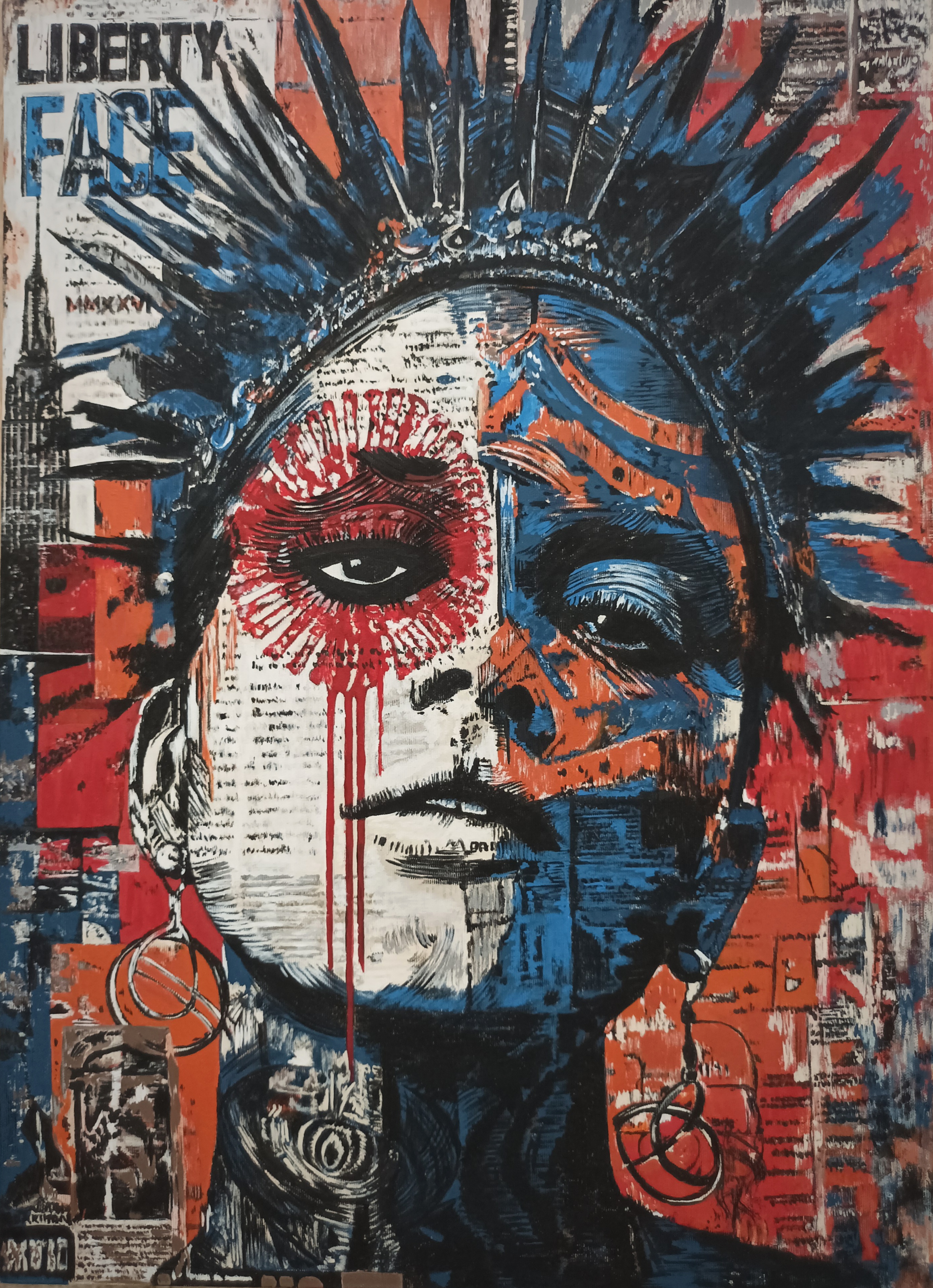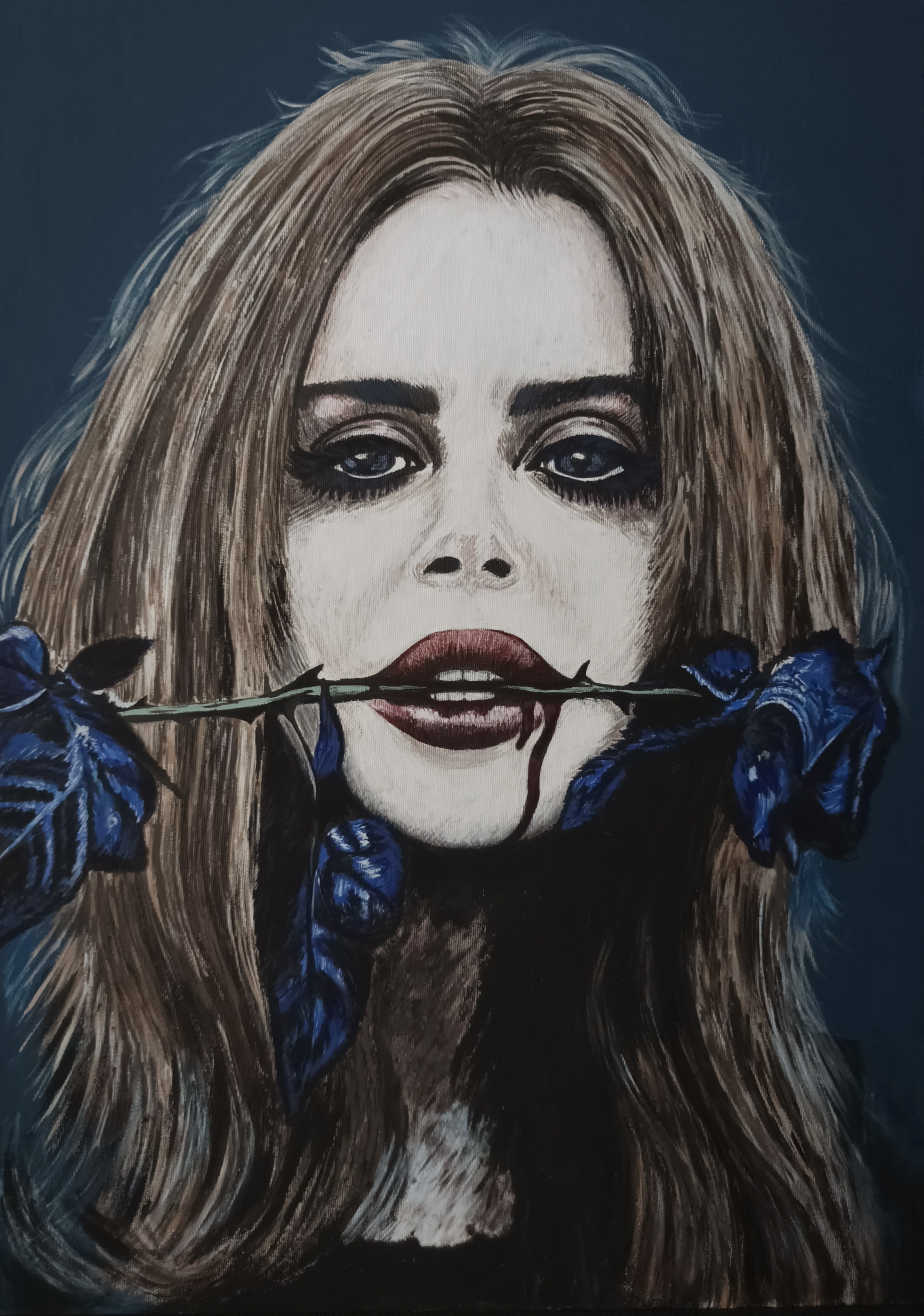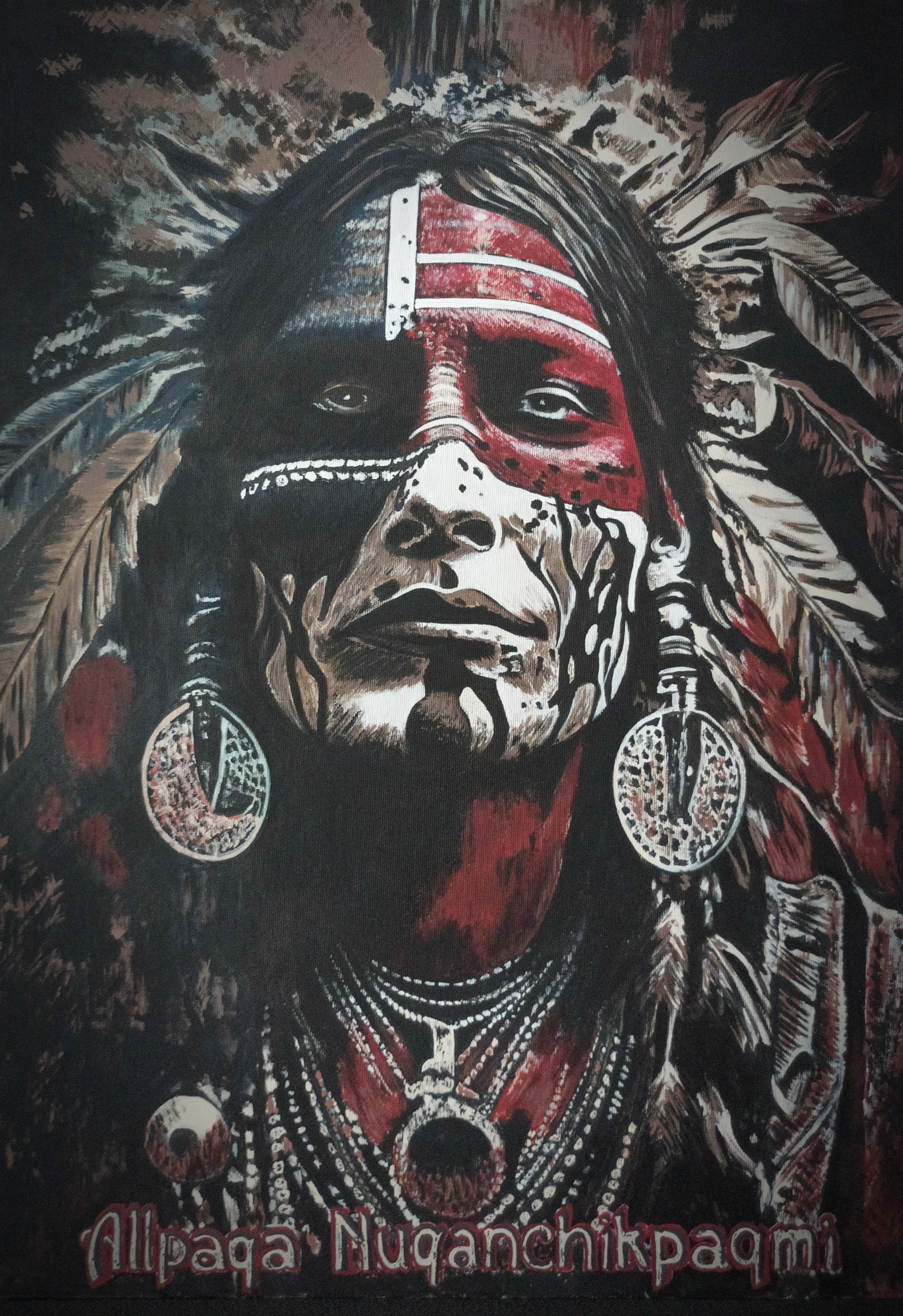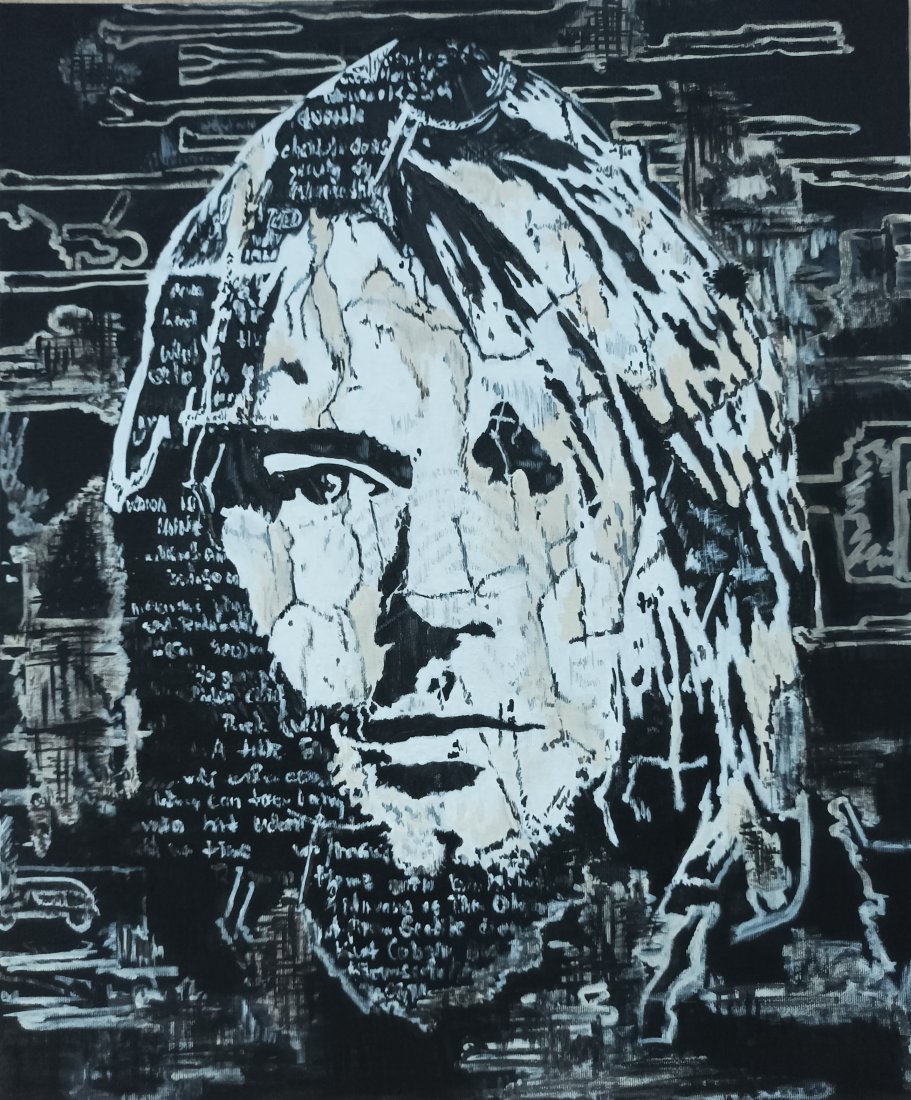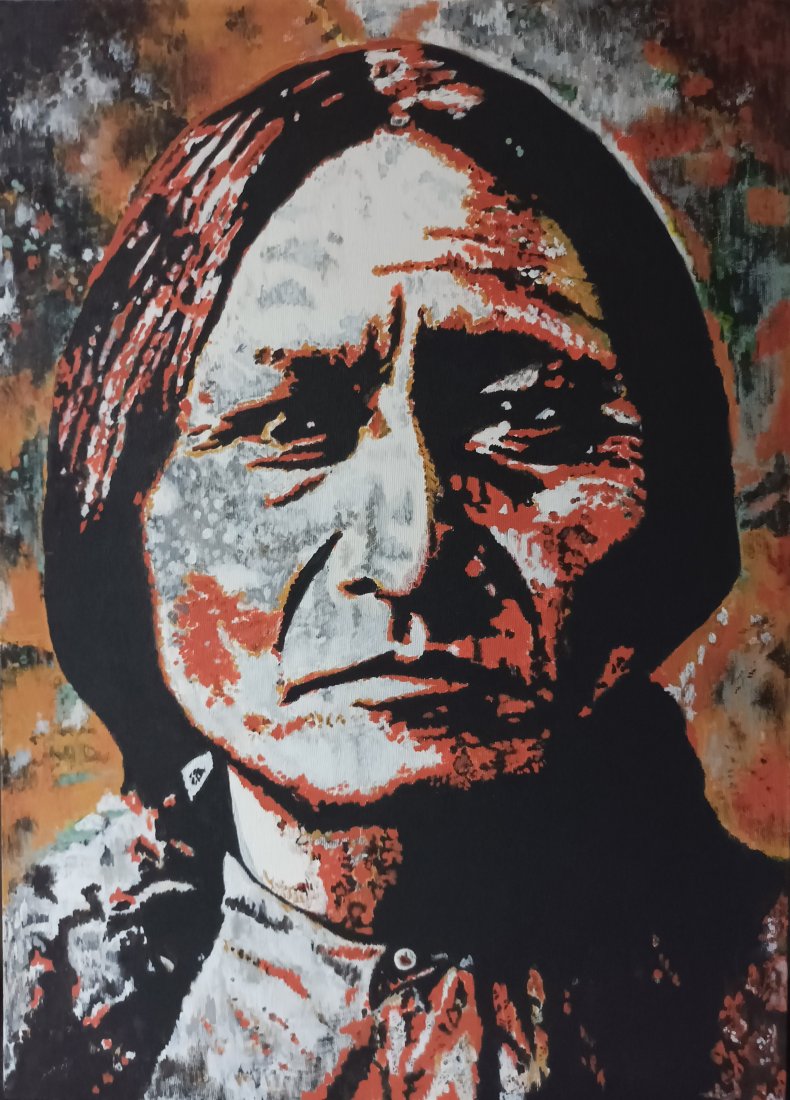
Medium - Wood , Subject - Portrait , Style - Pop Art , Artwork Type - Acrylic
Select Frame
Description
Sitting Bull (Lakota: Thathanka Iyotake; March 1831 – Grand River, South Dakota – December 15, 1890 – Standing Rock), was a prominent Sioux chief and also a Wičháša wakhán (holy man, shaman) who came from the Hunkpapa band of the Lakota. In his time, he was among the most prominent Native Americans, and during the Sioux War, he served as the supreme chief of the united Sioux and Cheyenne tribes. Sitting Bull became a symbol of the Native Americans’ final resistance against white settlers on the American continent.
“Hear me, people: We must now deal with another race—small and weak when our fathers first encountered them, but today great and arrogant. Strangely, they have a desire to cultivate the land, and their love of property is a disease among them. These people have created many rules that the rich can break but the poor must not. They take tithes from the poor and the weak to support the rich and those in power. They claim this mother of ours, the Earth, as their own property and fence her off from their neighbors.”
Sitting Bull