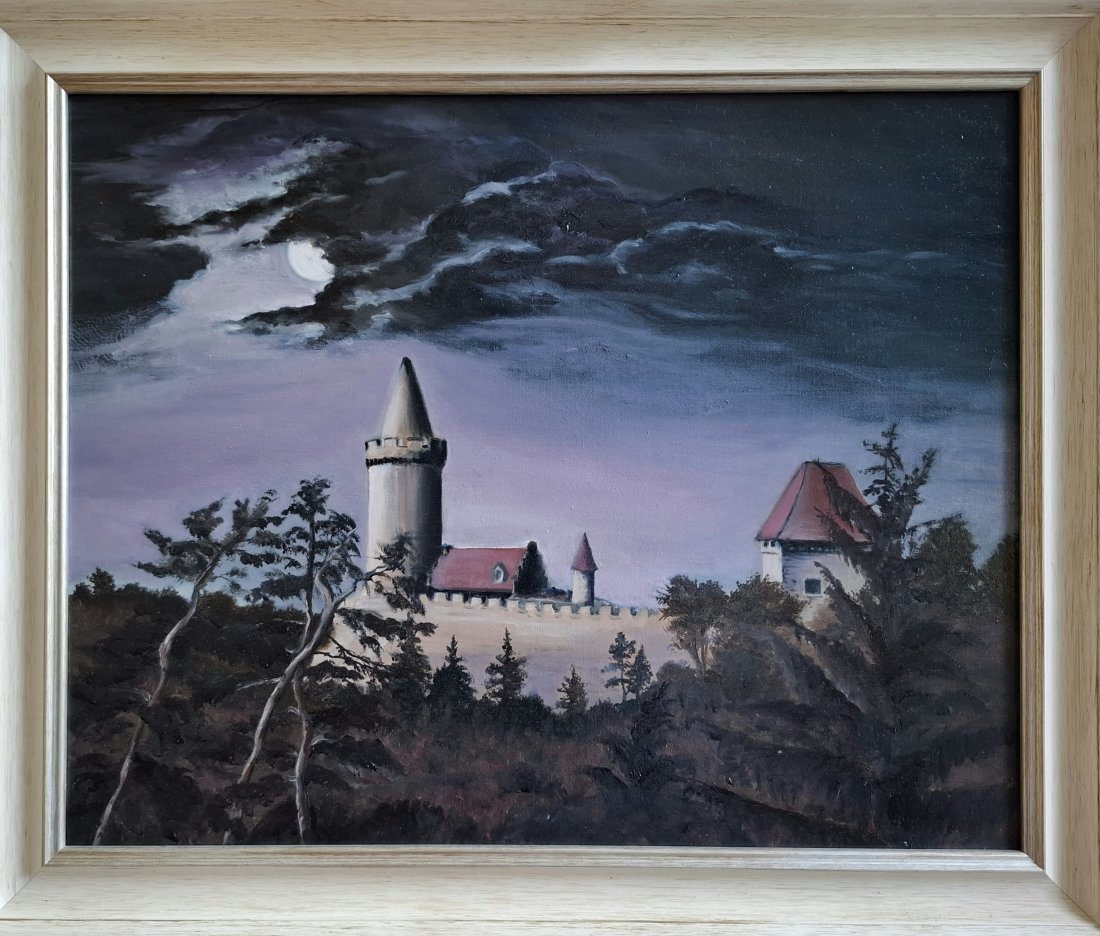
Luděk Prokš
Česká republika 🇨🇿
He was born on March 28, 1970, in Humpolec. In the first half of the 1990s, he attended the Prague studio of the academic painter Věra Šteflová, where he acquired a solid foundation in traditional oil painting and technical skills.
After completing his university studies in economics, he returned to painting and to a life divided between Prague and Budíkov near Humpolec—a picturesque corner of the Bohemian-Moravian Highlands that became his main source of inspiration.
From 2005 to 2012, he was a member of the Praga Prima art studio (with a tradition spanning more than 70 years), where, under the guidance of academic painters Miroslav Pesche and Lukáš Bradáček, he further developed his technique in still-life oil painting and portrait drawing.
A Turning Point and Artistic Direction
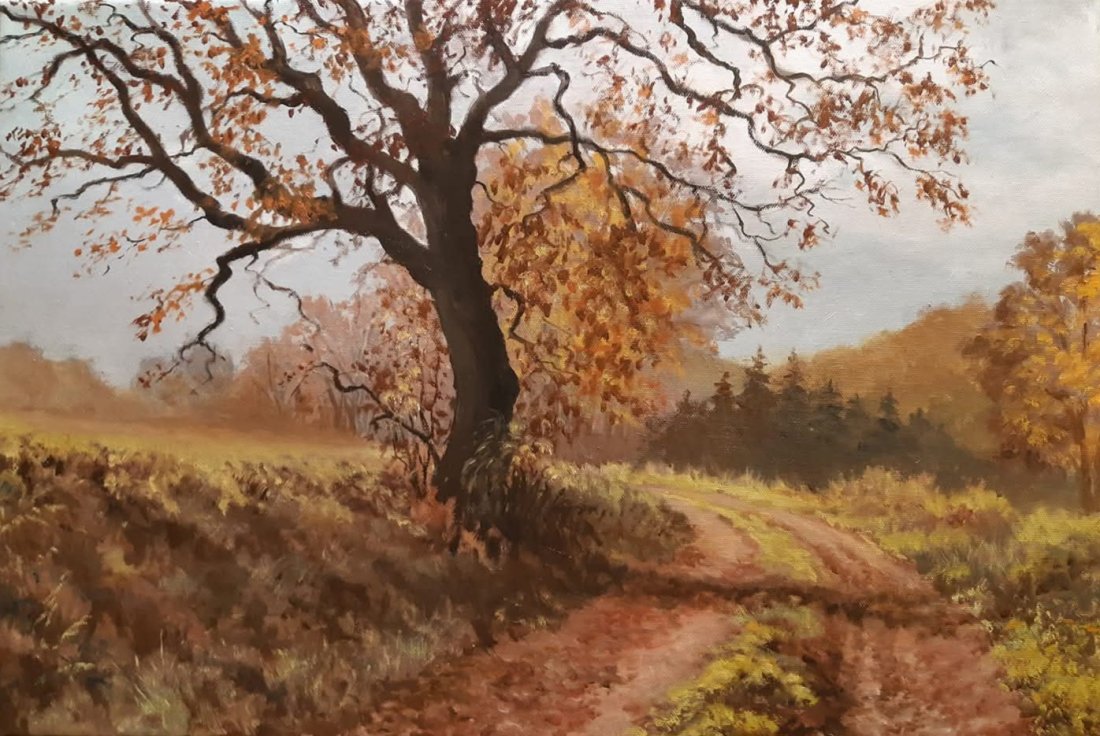
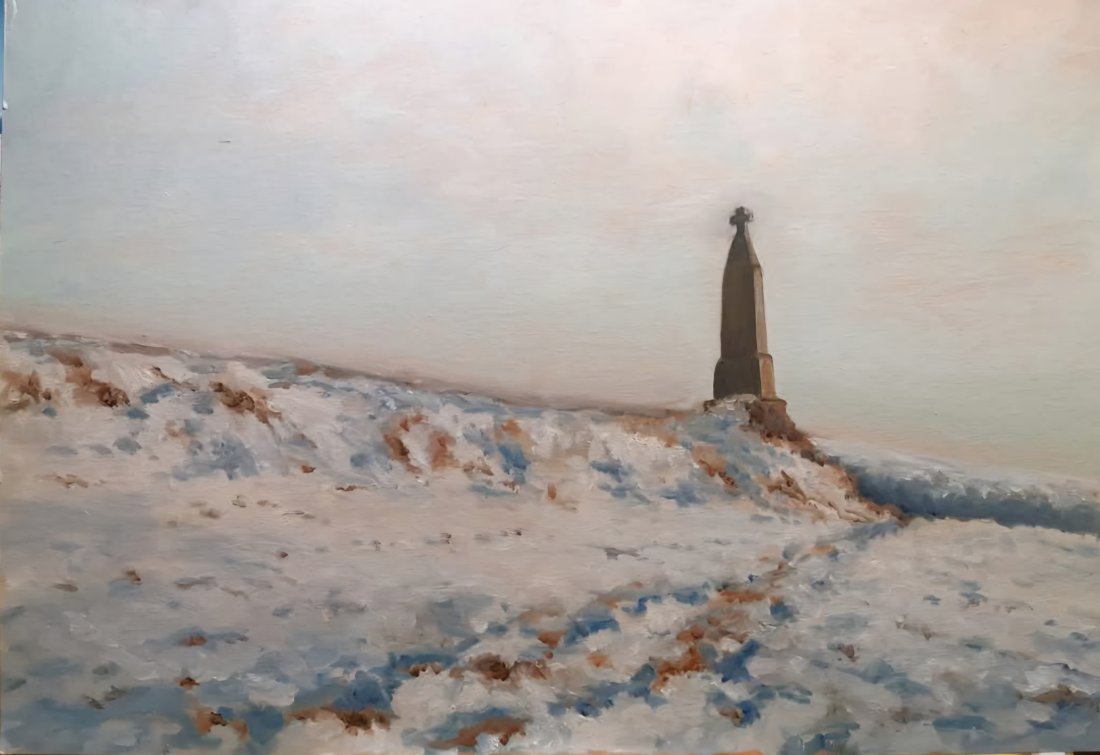
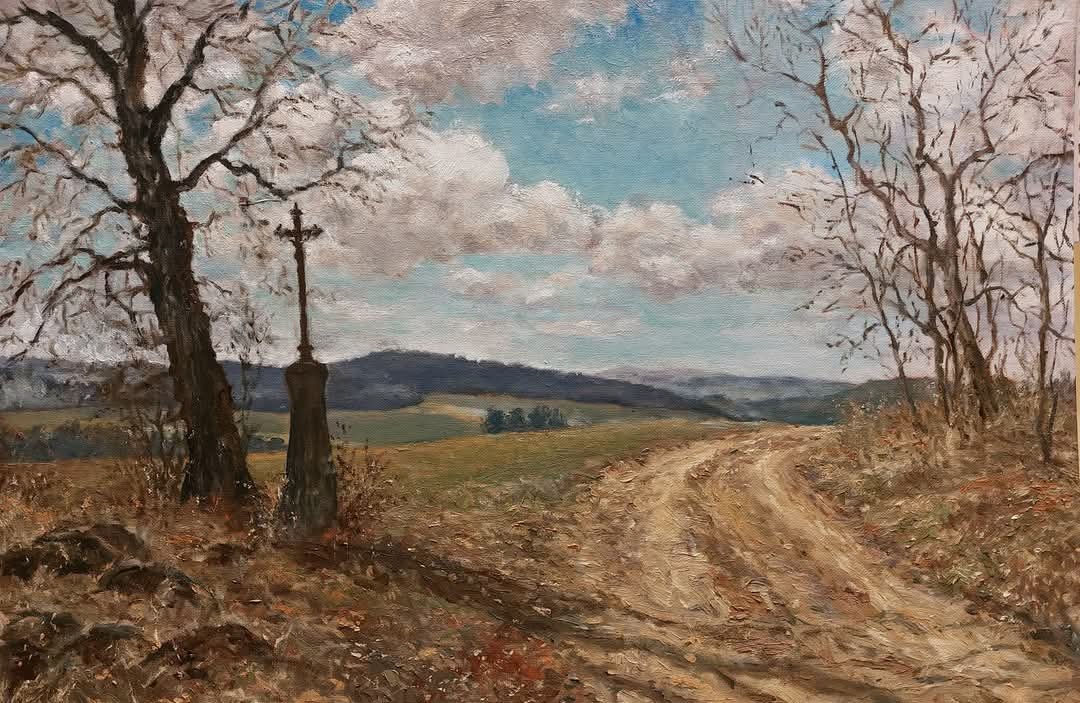
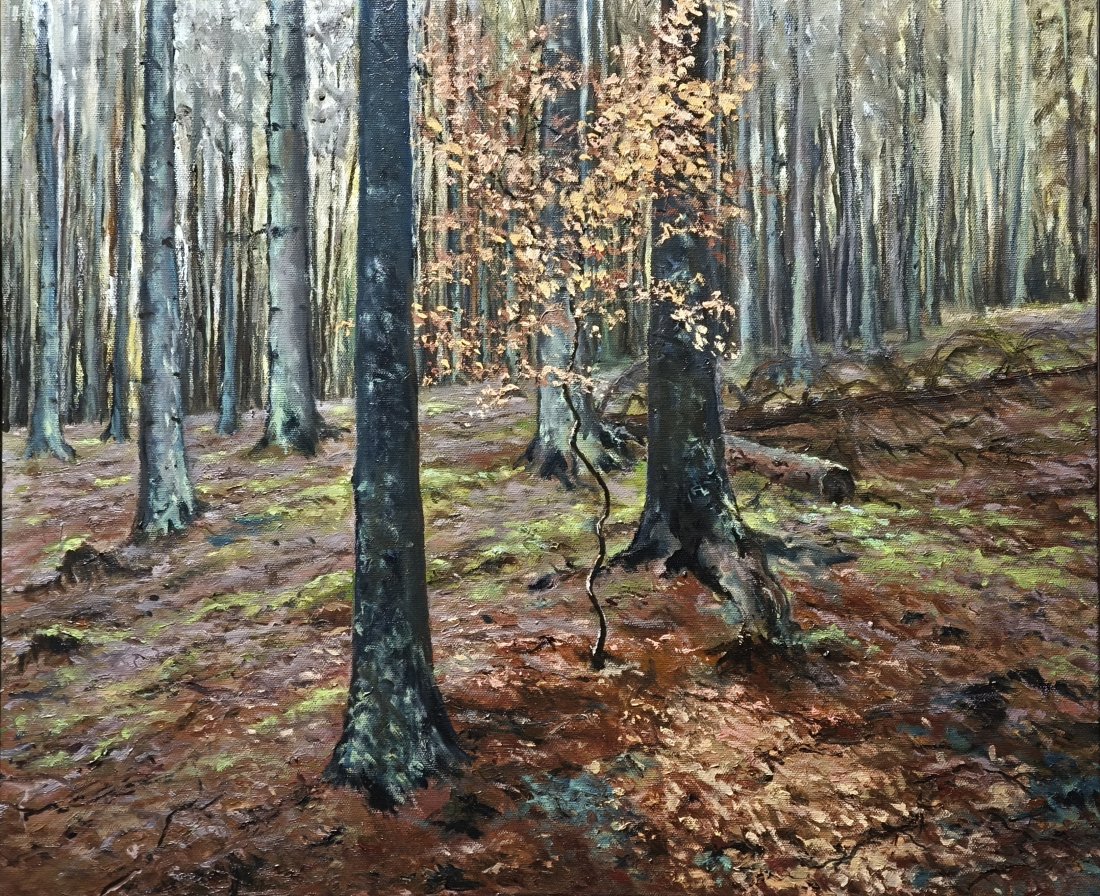
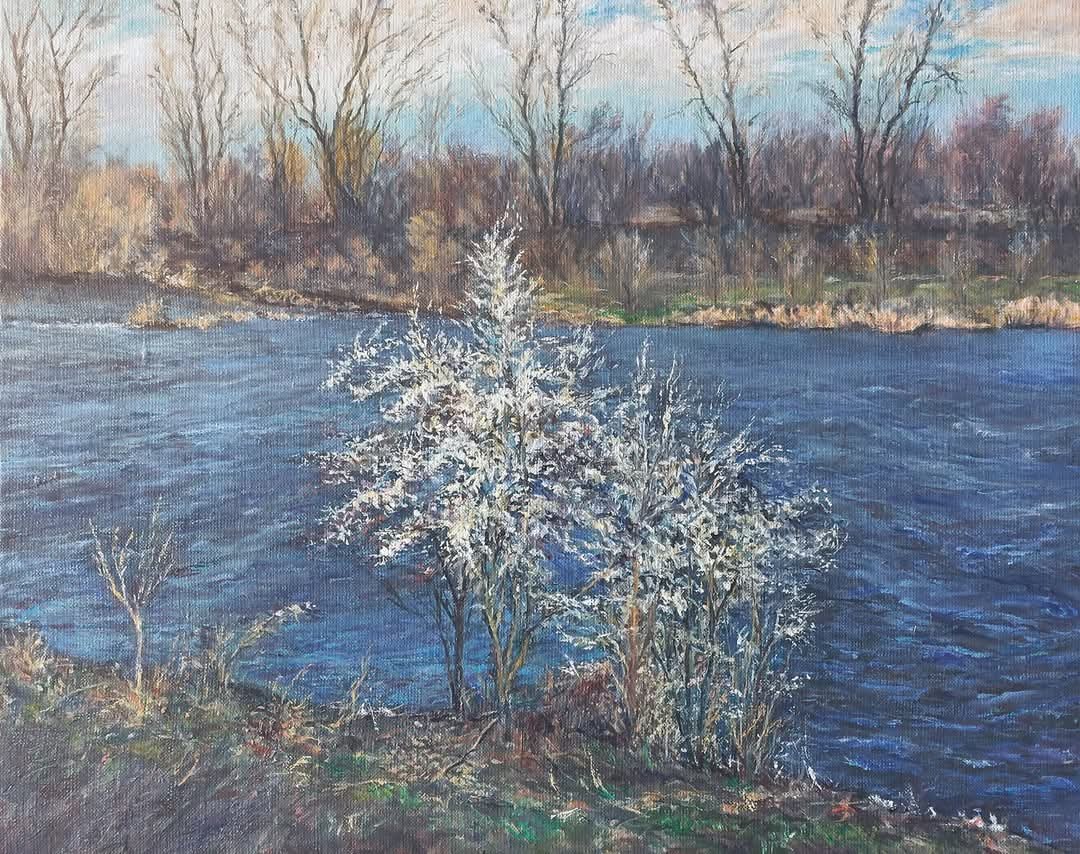
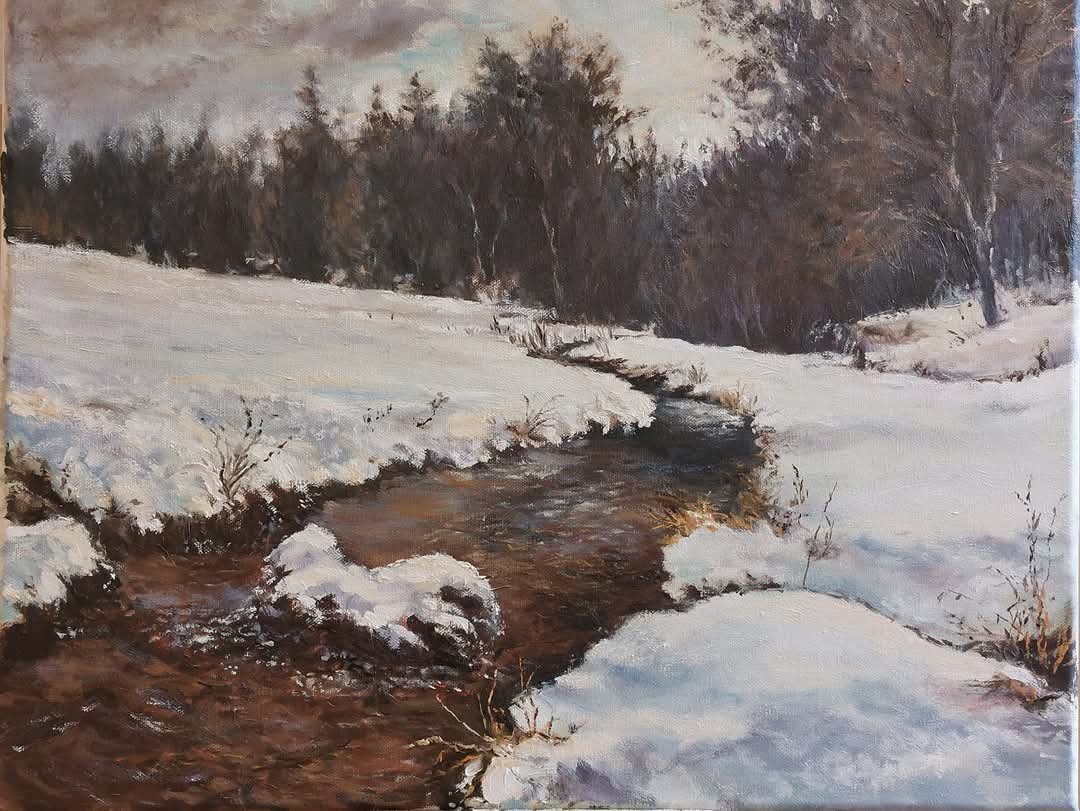
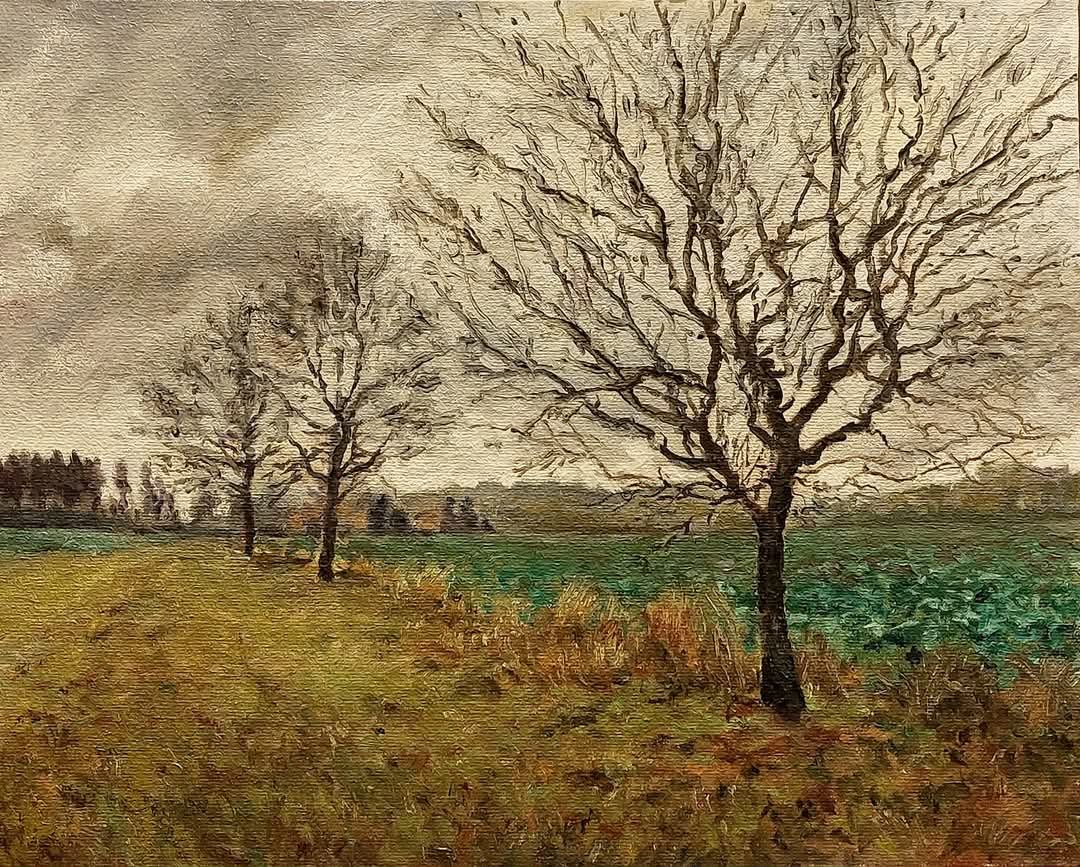
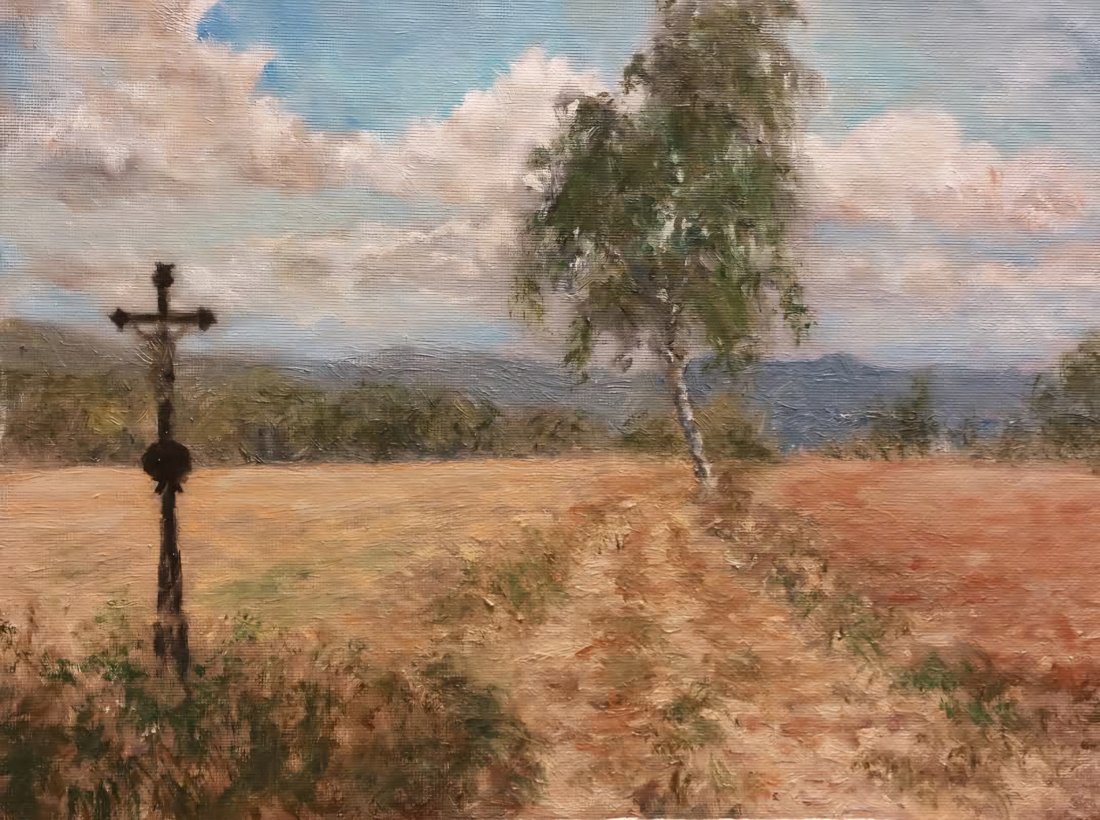
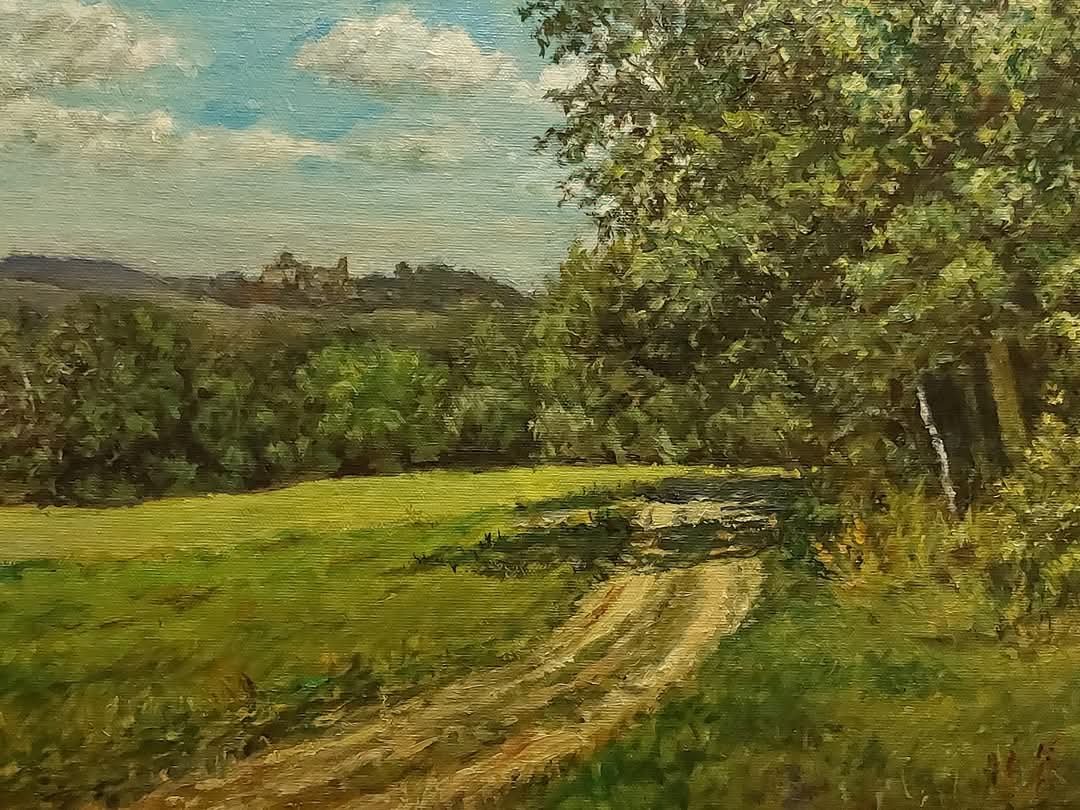
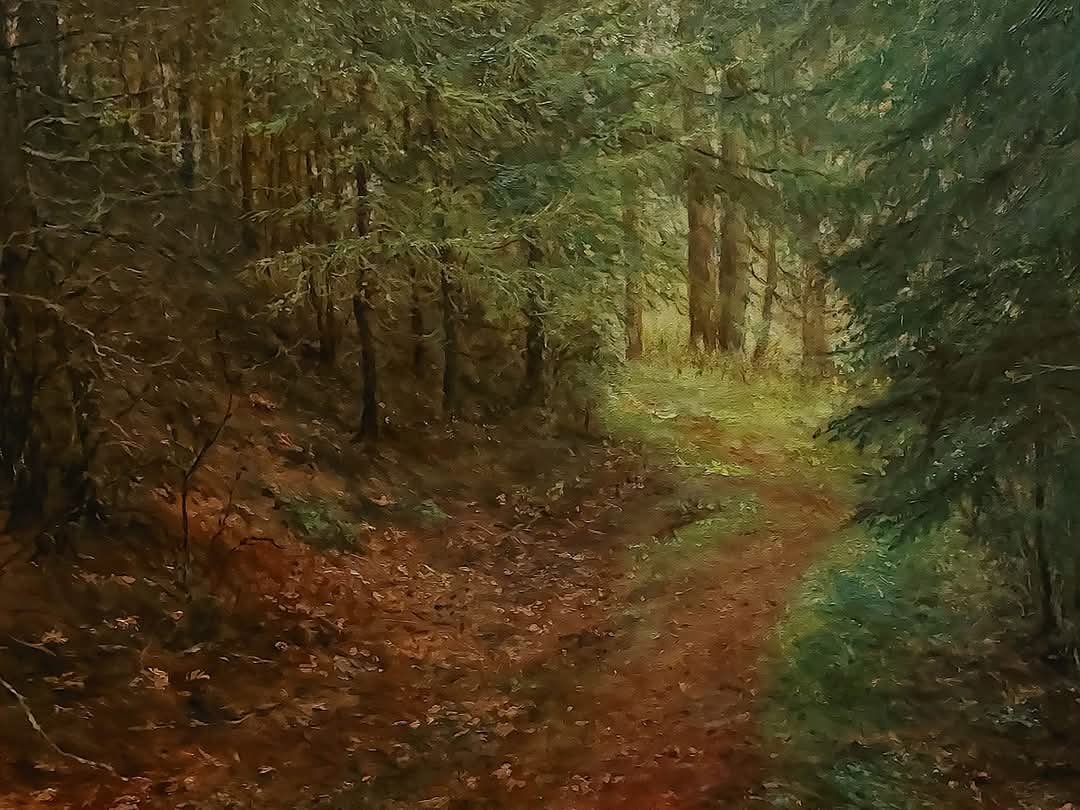
A decisive moment in his artistic development was his encounter with the painter and educator Monika Sichrovská, who introduced him more deeply to landscape painting. Artistically, he feels closest to the tradition of the Czech landscape school of Julius Mařák and his students: Antonín Slavíček, Bohuslav Dvořák, František Kaván, Ota Bubeníček, Jan Honsa, Otakar Lebeda, Jaroslav Panuška, and others. He draws inspiration from their work and respects their traditional approach to nature. In his free time, he primarily paints scenes from his native Vysočina region, the area around Tábor, and the Šumava Mountains. He most often returns to the intimate nooks and crannies of the Podlipnice region in the immediate vicinity of Lipnice nad Sázavou, which he considers an inexhaustible source of inspiration, much like Julius Mařák himself once did.
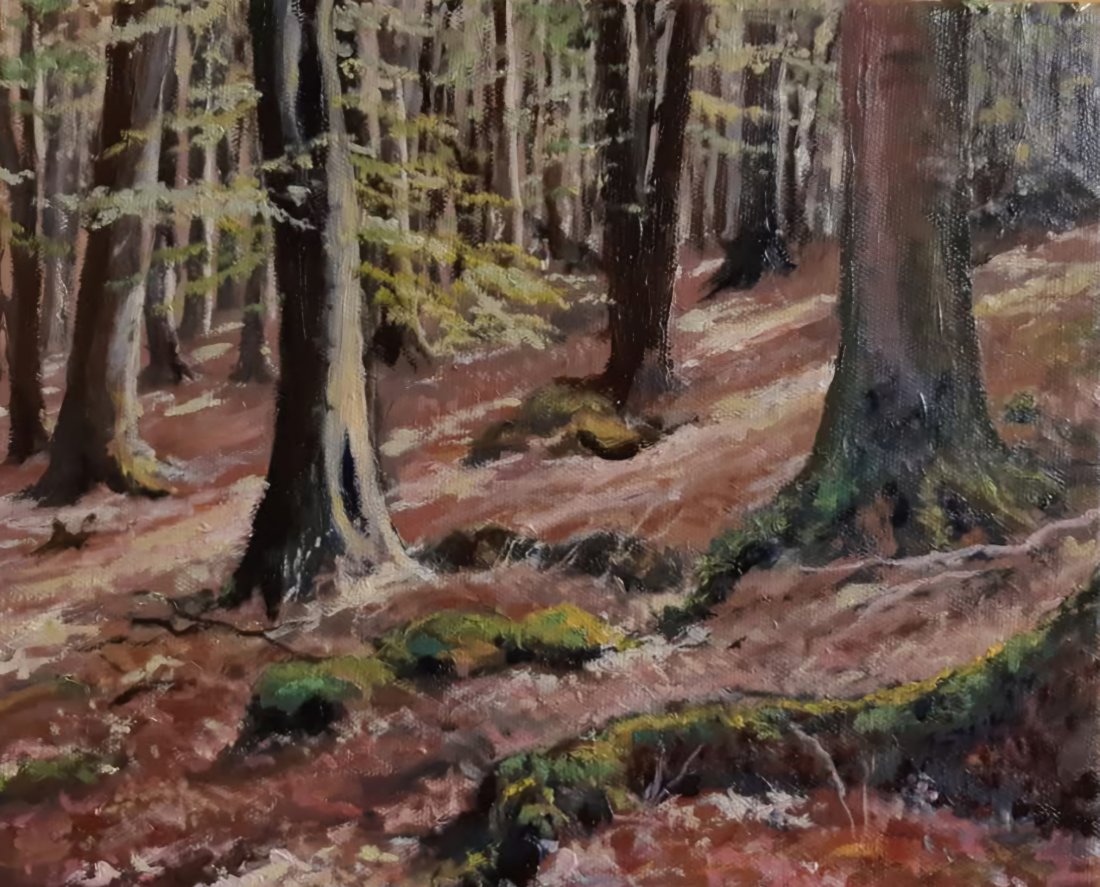
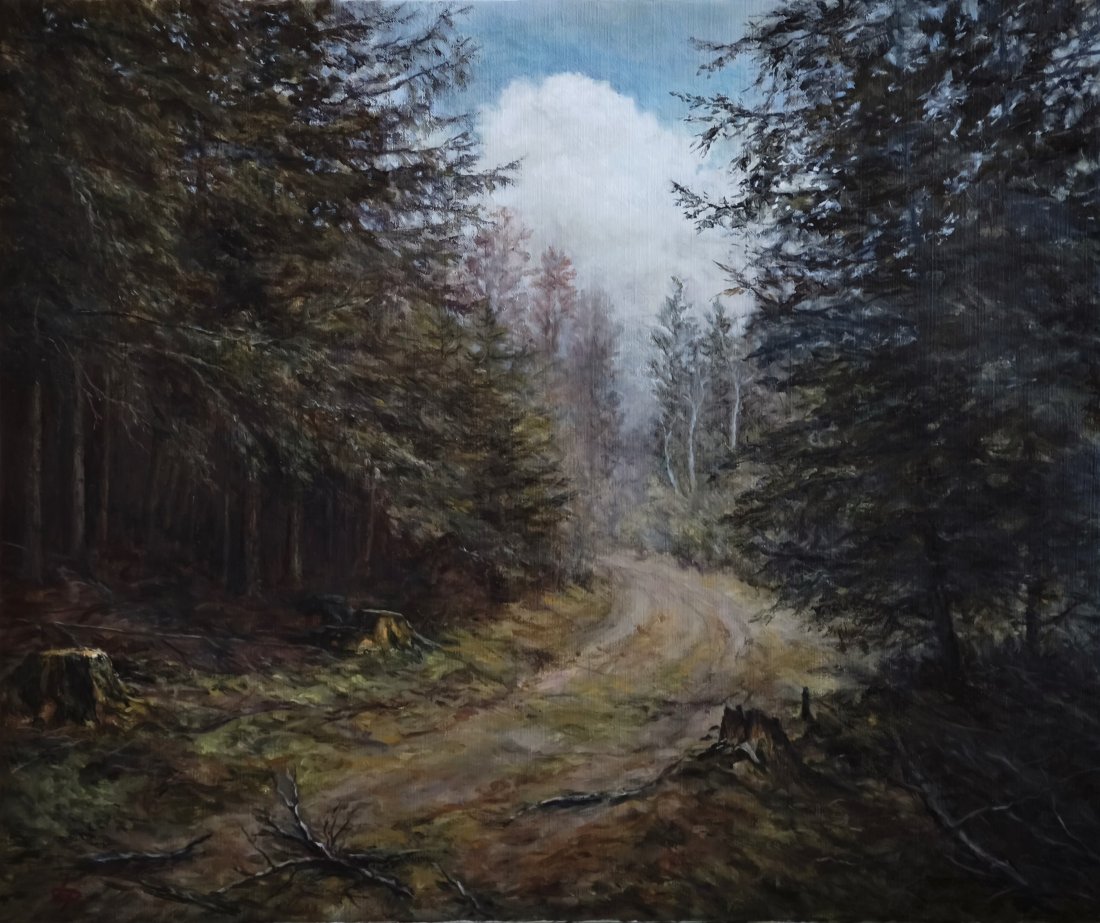
Recent Works and Exhibitions The solo exhibition *From Budíkov and Beyond* (2024) presented a retrospective of his work from the past four years. In addition to paintings from the Budíkov area, the exhibition also featured works from other parts of Bohemia that the artist visits on family trips, particularly the deep forests of the Šumava Mountains. The landscape and its transformation.
The artist perceives the current state of the landscape with great sensitivity. His native region is undergoing significant changes due to the bark beetle infestation and intensive agriculture focused exclusively on profit. That is precisely why he considers it important to paint “now,” to capture those motifs that may soon disappear or undergo dramatic changes.“It is becoming harder and harder to simply stand before such a landscape with a palette and not attempt to enter nature itself and its intimate nooks and crannies through an interesting and unusual painting.”
His work is thus not merely a celebration of nature’s beauty, but also a quiet testament to its fragility and transience in the 21st century.